
We're Punching Back.
In defense of community builders:

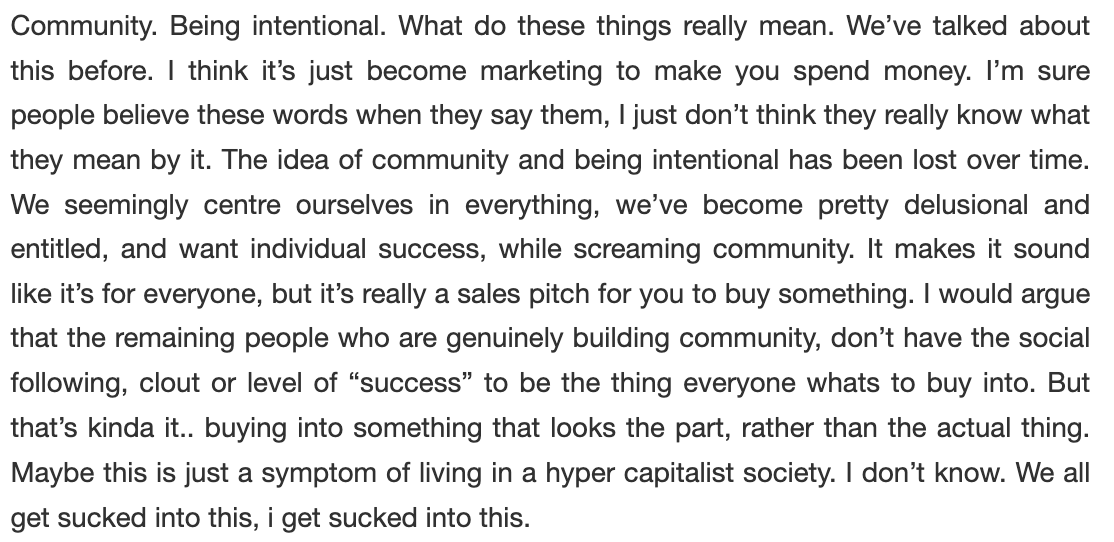
Today, we’re going to deal with the words shared in the posts below.
I hope you are seated.


I might sound defensive in writing everything you’re about to read. That’s because I am.
Community is my whole thing. Health, Happiness & Community — that’s the tagline of my company, which is called, you guessed it, Down to Earth Community, LLC.
I had a whole mf event called Community Day ... You think I’m gonna sit this one out?
I’m not easily shaken. But, when causes and people I’m passionate about are attacked, I have a short fuse.
Genuine, good-hearted people having their motives questioned is just too ironic, and yeah, these posts don’t apply to people like us, but I feel compelled to bulletproof our standing.
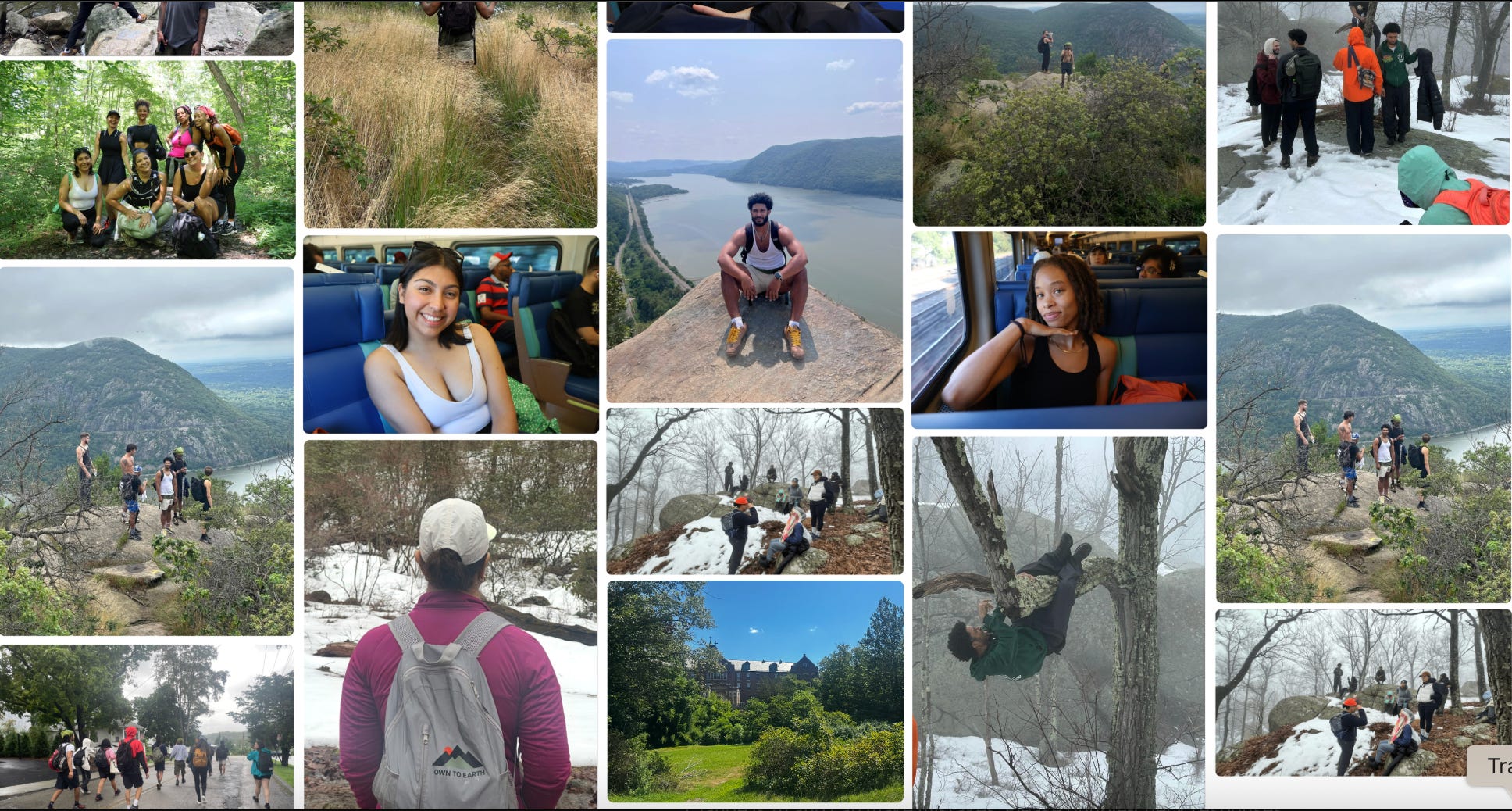
Community Is Not Friendship ❌

The author makes it seem like the goal of community should be friendship, and that these rogue community builders and their constituents are only in it for some selfish — often career or status-driven — gain. Its true that community isn’t about elevation of the self. Its about the greater good, the causes that supersede us all, and the notion of elevating everybody at once.
In fact, community isn’t really about friendship at all. The two are similar, and not mutually exclusive. Friendship is more weighty. There is more management involved with friendships. More expectations. To be a true friend is a serious responsibility — sometimes a part-time job — and to be considered one is an honor.
My standard for community is more loose than that.
Think about a barber shop on a Friday night.
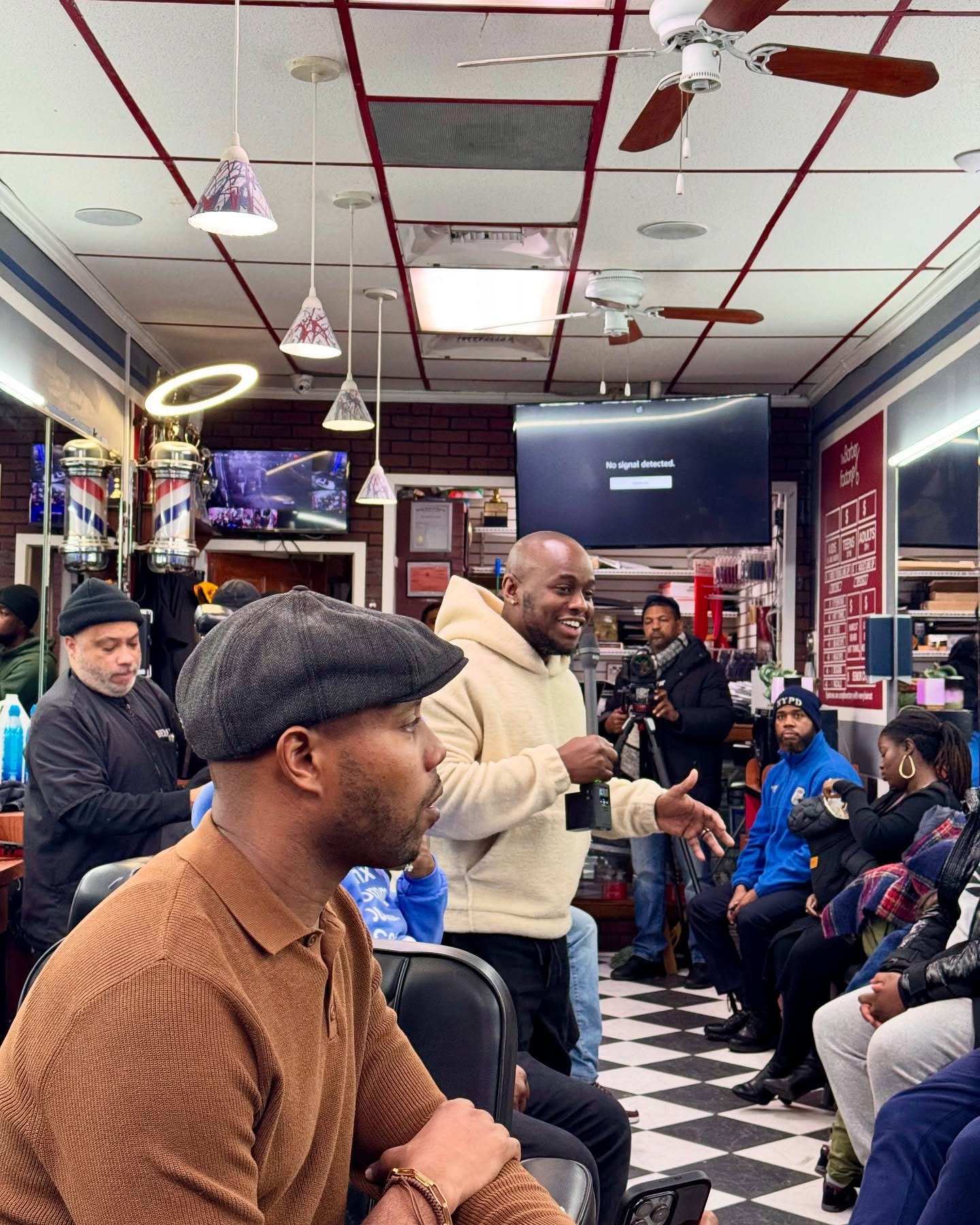
Its a small space booming with music, revolving doors of faces, (and possibly drugs + alcohol) with little to no stakes attached whatsoever. There are no expectations.
What is anybody in there to do? To get a haircut. There are probably some guys in there to talk smack and argue, too — but no one is expecting you to be a friend.
Despite seeing these same guys every other week for an hour or two while getting your hair cut, you may never cross paths with them day-to-day. You aren’t expected to come through for them when times are hard.
Nobody from the barber shop is asking you to help them move. You might not even know their name! And you know what? That’s fine.
Community thrives when its participants care about each other, but it doesn’t depend on it.
Community depends on buying into some concept, cause or idea bigger than the self.
Getting tied up in a relationship with another individual is a separate thing entirely.
Community is an experience. To me, community is about moments that are created together. It acts as spiritual medicine when executed correctly. I believe that the most powerful way to find your self is through the experience of being around others.
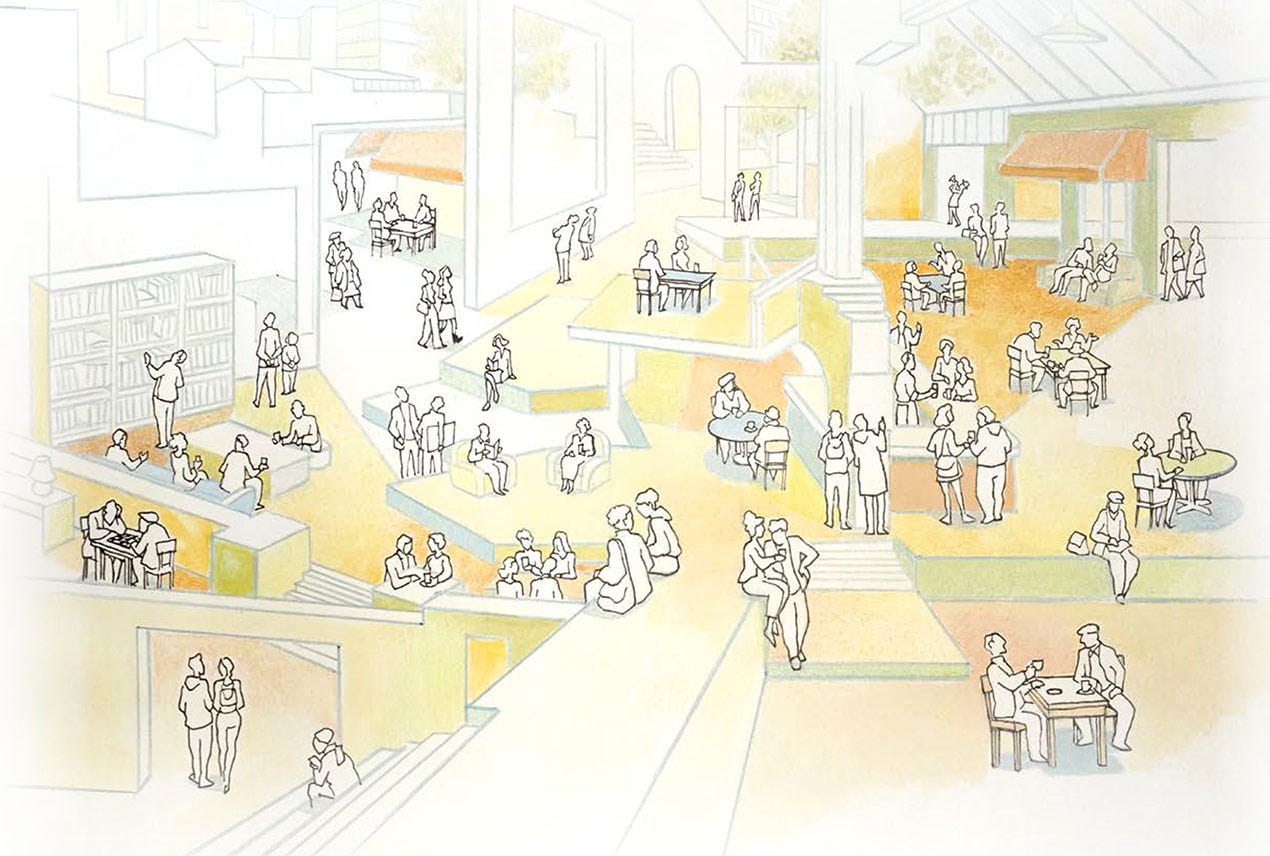
Solitude teaches you about your weaknesses — what you might want to work on.
Community shows you your strengths, your true character, and what you love most.
What you do after those experiences is your choice.
Community Is Everywhere 🧺
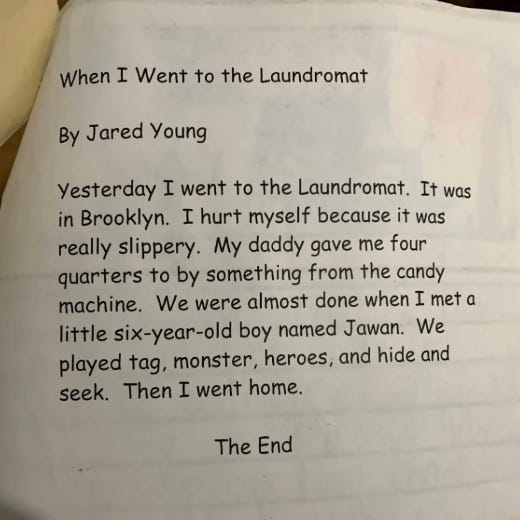
Community is native to humans the way tail-wagging is reflexive to dogs. We were made to build it, and we exist the way that we do because of our ability to ceaselessly form it. I think back to this story I wrote as a child — First grade, probably.
I’ll post it below in full, but the gist is that I made a friend at a laundromat and almost instantly became bonded to this person through a shared understanding of … existence. Whimsy. Play. Acceptance.
Continuing to do this over time, whether in the same places or with the same people, is how community naturally terraforms from thin air.
Ask antisocial animals to form a community — Polar Bears, Snow Leopards, Tigers — they can’t and won’t do it. We are special in that way.

Start Your Kids Early 🛝
I can speak so boldly on this matter as someone who has been building community from just about the time I learned how to share. Sharing and building — the two actions are close in proximity.
In my preschool in the Lower East Side, I remember fabricating imaginative games in densely-packed playgrounds, classroom-sized community gardens, and narrow sidewalks that we city kids have as our community spaces. There isn’t much to go around as far as real estate in Manhattan.
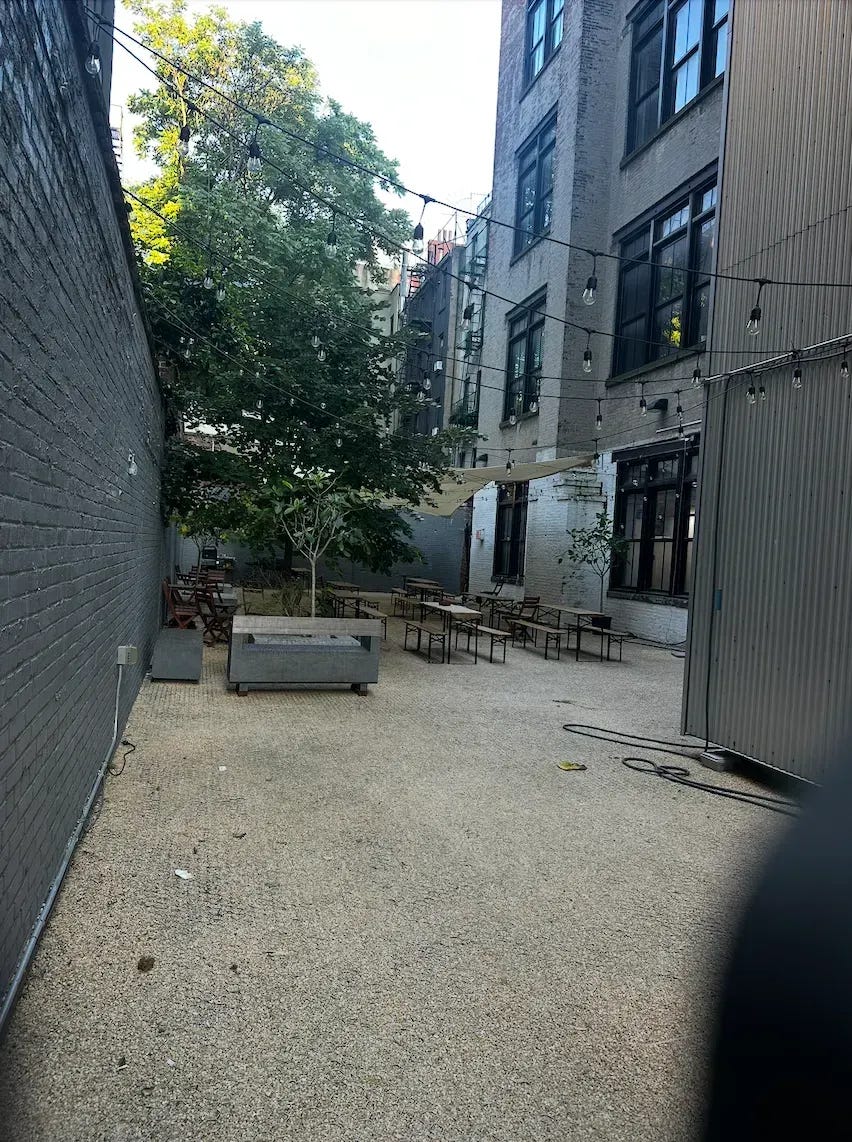
In spite of that, I found creative ways to bring people together. I distinctly remember playing Powerpuff Girls with my classmates one day. As usual, I took the role of organizer. “Isabella will be Blossom!” I proclaimed. Isabella was an outspoken, charismatic four-year-old from Downtown.
Isabella and I weren’t particularly close, but it was clear that she embodied the role of the leader. As I rolled along the line of children, I assigned roles to other classmates, and instructed them as to how the game would play out.
And someone had to be the villain. Mojo Jojo.
I can’t quite remember what my motivation was for choosing my close friend Khalil for the part — maybe I figured that he wouldn’t be opposed to it. Little kids never want to be the villain, but Khalil was the guy I could depend on to make the show a success.
That’s what friends are for, after all, and I consider that to this day when calling volunteers on hiking days.
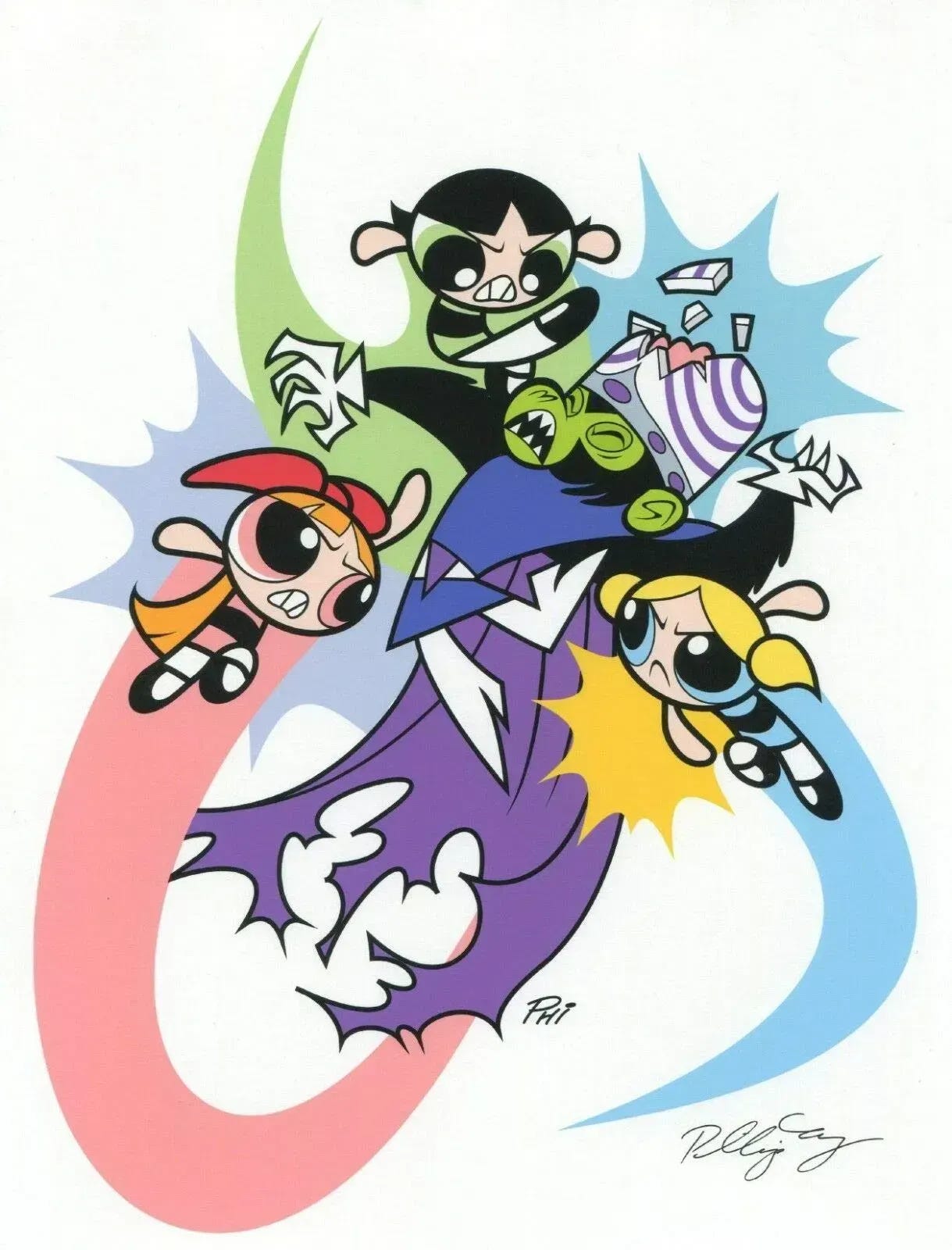
So the kids played. Isabella, shrieking to “get him!” as Khalil started to dash around the alleyway, thrust a fist into the air. Most children during recess are doing some combination of running and screaming with no rules or regulations … this game, (and many instances of true community,) was no different.
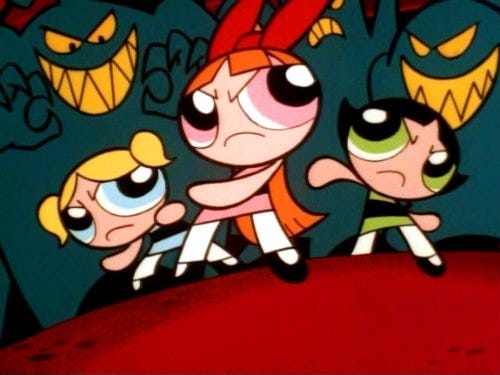
You might be wondering what I was up to during this scene. I didn’t choose to play any character in particular; my joy was in bringing the vision to life. Creating something from nothing. Witnessing!
There was a role and opportunity for every individual. Harmony. Selfless, pure magic.
THAT is community.
When the bridges for connection are scarce, as they were during our urban childhoods and today in our isolated society, somebody has to do it — and I find joy in being one of those few in service.
The Great Big Community of NYC 🗽
Many of my surroundings in New York City contributed to my formation as a community builder.
My after school program and summer camp in Hell’s Kitchen.
Late summer nights at the Belize Fair in Brooklyn.
8 hours of pure bliss in East Flatbush playgrounds with Biddi and Brandyn.
Spring Break in 46th Street Park.
Sunday mornings at the Abyssinian Baptist Church.
Friday nights playing Pokémon and WWF with the group home kids in Kips Bay.
The Knicks championship watch parties.
The Ninth Avenue festival in the ‘00s …
You just had to be there.
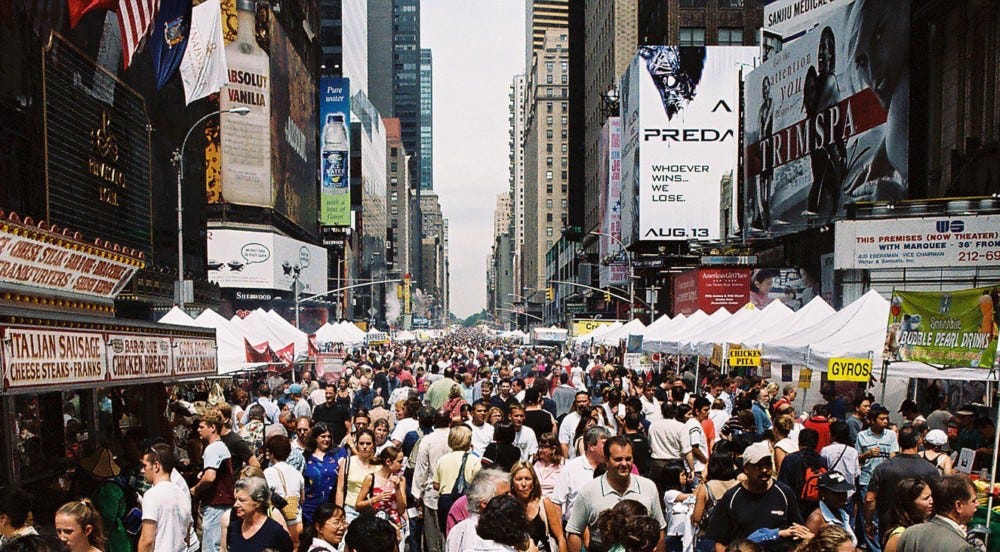
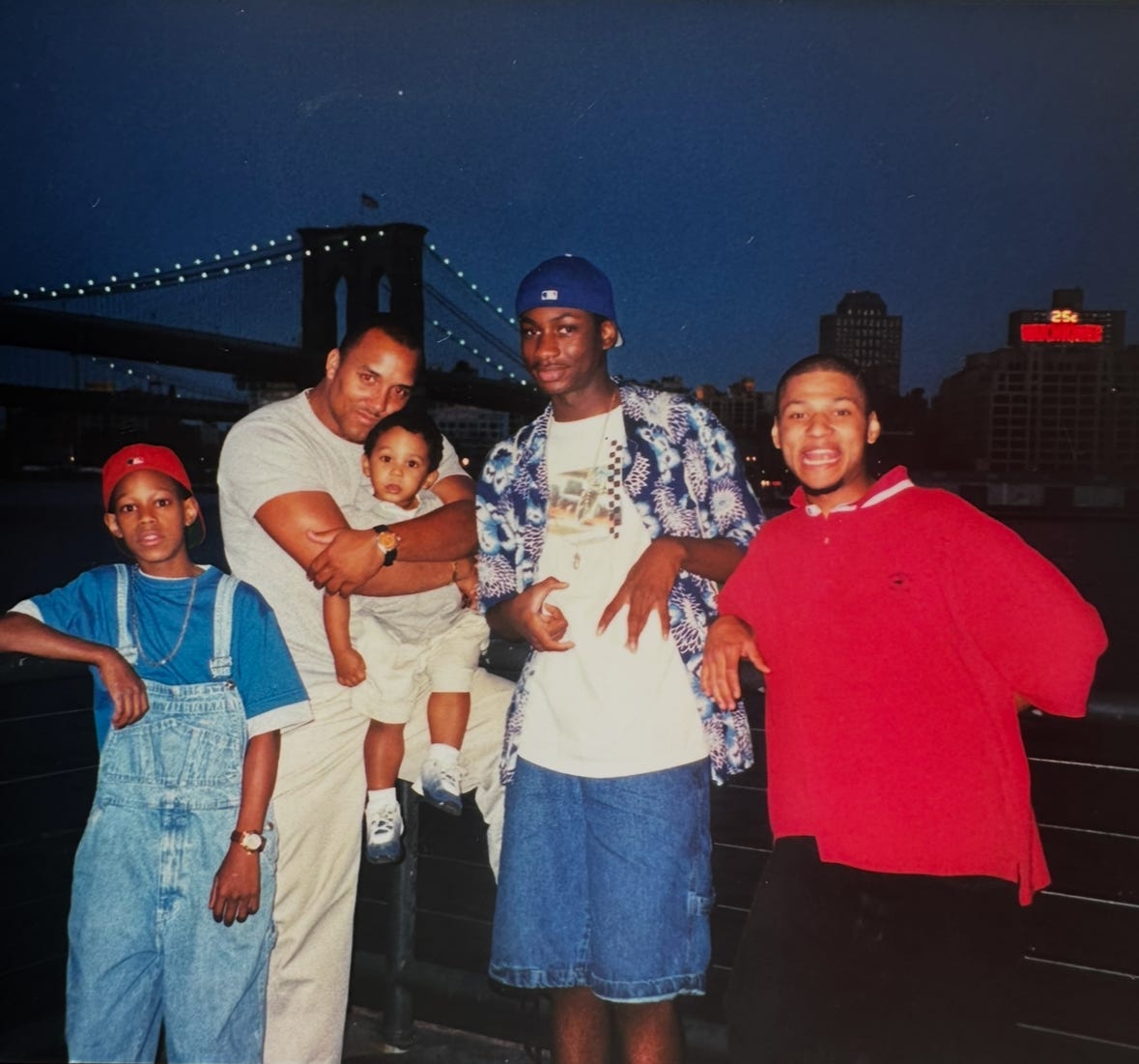
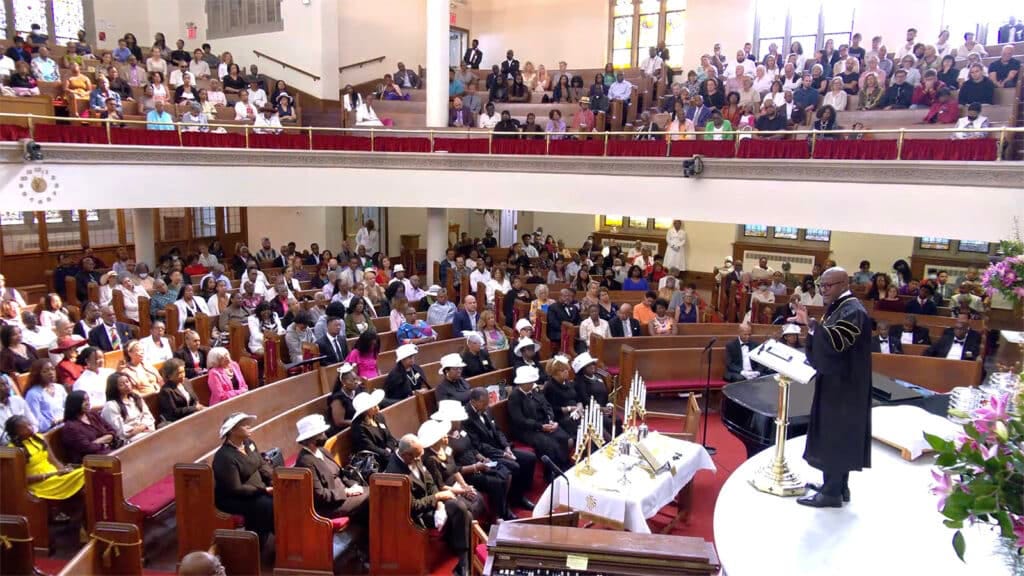
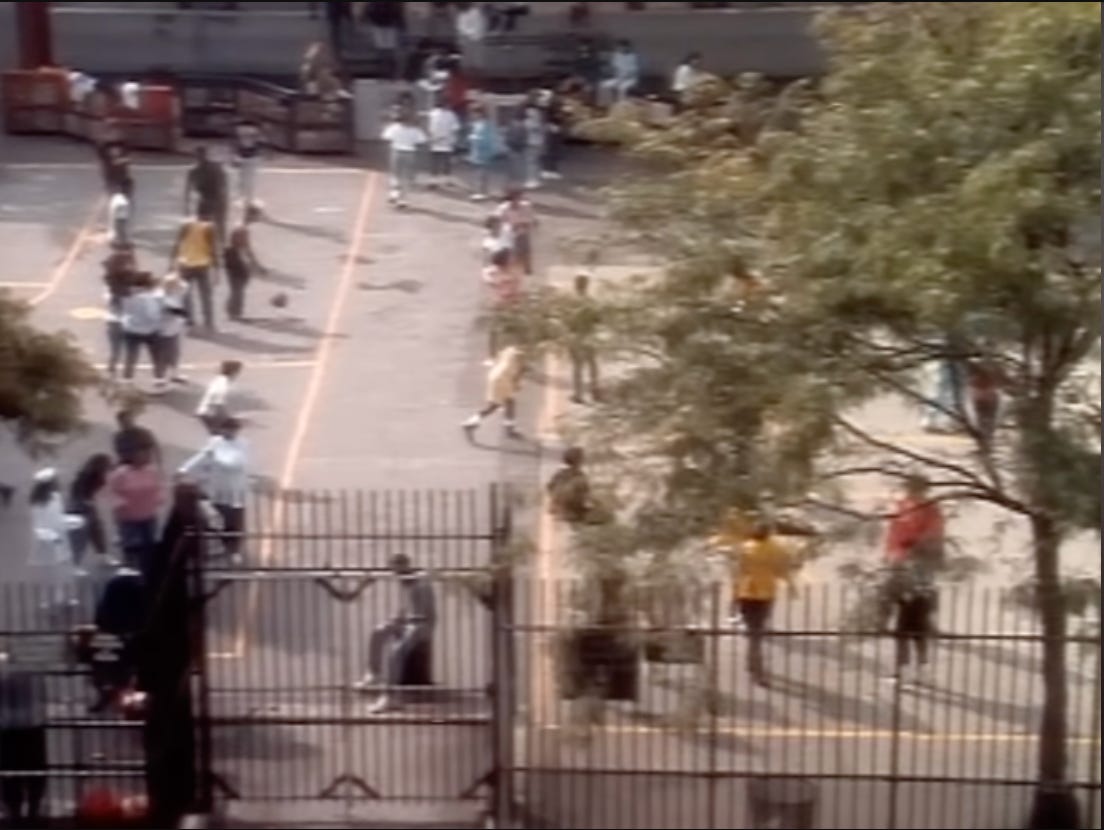
If you’re from here, community is built-in. Whether its your building, your neighborhood, or the establishments you frequent, we’re all New Yorkers.
Our nationality is marked in our passports: NEW YORKER. We demonstrate patriotism by building and contributing to the communities within this great nation of Five Boroughs.
Our national exports — Punk music and Hip-Hop — were formed by outcasts seeking community, and born in the Lower East Side and the Bronx, respectively.
Community is just in our DNA; asking why we build and participate in it would be the same as asking a spider why and how it weaves its web.
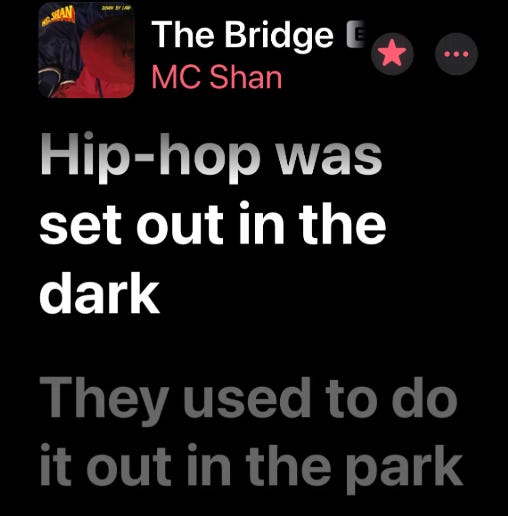
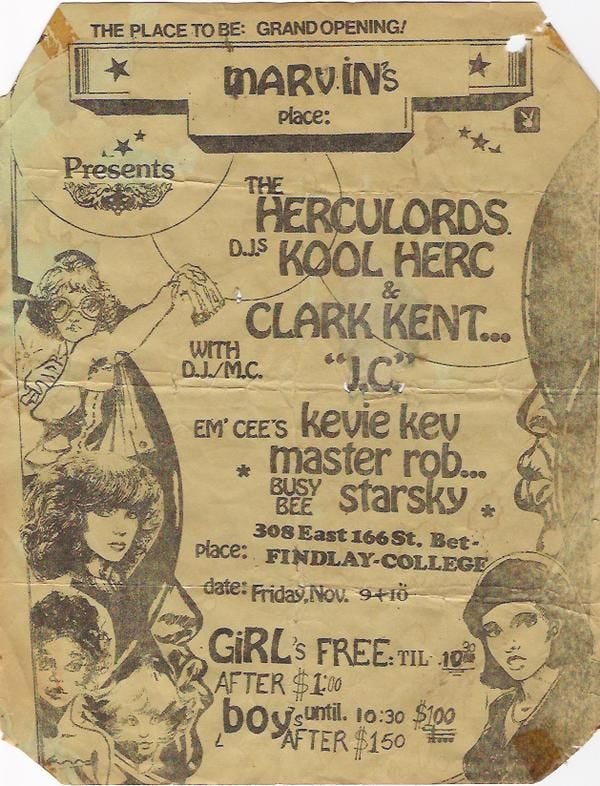
I think you get the point. We New Yorkers know how to party, get down, include people, and be consistent with something. That’s Hip-Hop — that’s all community is. Its not a gimmick, its not a marketing ploy, and we don’t care about climbing y’all sorry ahh ladder.
We just understand that community is where you find pure joy, and suspension of doubt and fear ensues. Its the place where gratitude occupies every corner. Most importantly, community is how you do right by people. Service.
Us New Yorkers are kind, not nice, remember?
When the writing paints community builders as social climbers, I’m quick to combat that assertion. How could that be, when Trey, Jajuan, Juju, Arden, Donnie, Adaobi, Bri, Obas, Kofi, Dre, Magic, Matthue, and so many more, are sacrificially building community (often thanklessly) for the sake of lifting up others?

None of them are the kind to just dip out if and when the clout comes through. That’s not the motivation. Honestly, most of the strongest community builders I know are New Yorkers, and New Yorkers do not need social clout to feel like superstars. We were born with that.
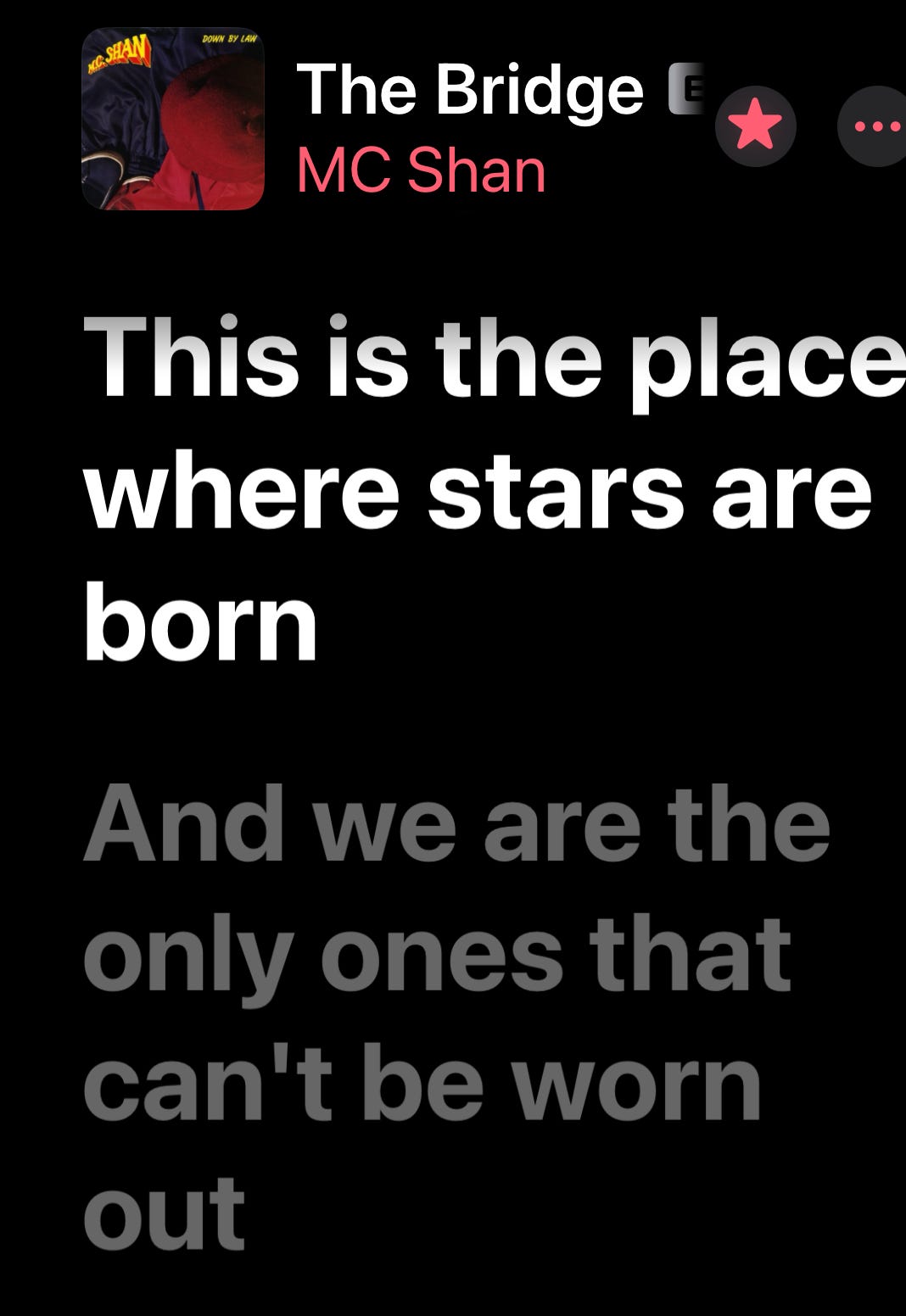
I can name dozens of community and political organizers bringing people together, supporting them and their causes for less than a living wage. If its money or social status they’re supposedly after, they aren’t great at it.
I know the author intended this to be a critique of what he’s noticing, and what might be at play behind the scenes with community builders. Its true that word “community” is being circulated a lot these days. Like everything else, capitalism co-opts positively intended actions and penetrates circles where generosity and purity previously thrived.
In writing this, I’m hoping to make a clear distinction between the real builders with positive intentions (those who sacrifice their time and energy to support causes and advance communal ideals,) and the phonies.
The ones who are in it to climb a social ladder, (that leads to .. where?) and who seek to profit from people who seek community in a time when it is needed.
Make no mistake — these grifters do exist, and unfortunately, they often rise to power. They have a way of accruing resources and attention, which is how consumer capitalism/performative leadership disguises itself as benevolent architecting. I know many of them well, and have been afflicted by their toxic influence.
But the truth is stronger and more integrous than these self-motivated endeavors.
Their time is up.
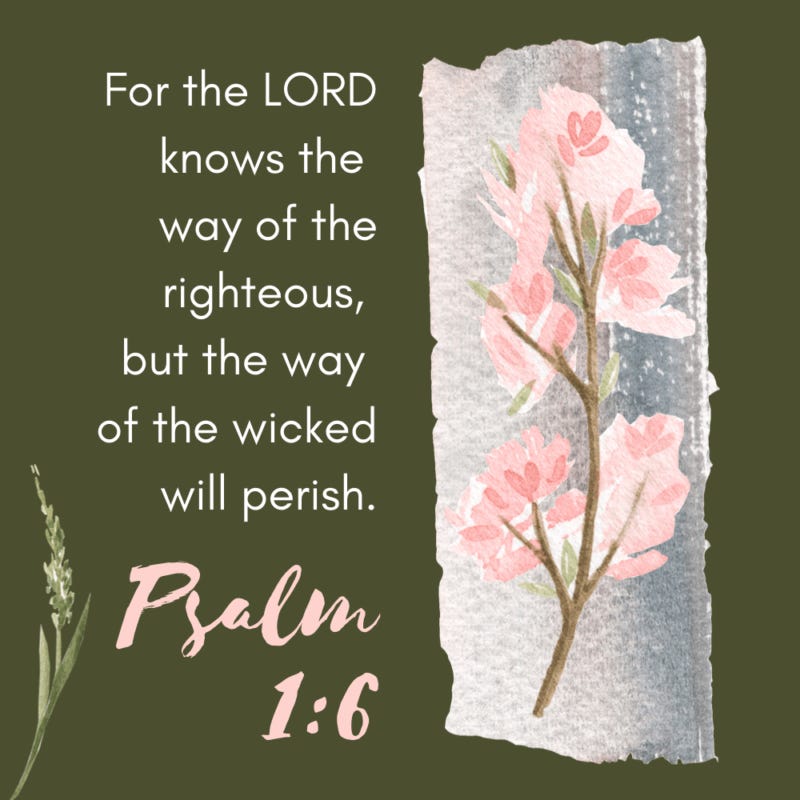
I received another email from someone claiming that we’ve “lost sight” of why we’re building community. The writer also stated that we don’t even know what community is anymore.
Brother, I could not possibly be more misaligned with that belief. I know exactly what true community is — what it looks like, how it feels, and how to create it.
I couldn’t fake the funk if my life depended on it, and I have a squadron of folks who I can say the same about.
So speak for yourself, and consider speaking quieter, because the real community builders are usually keeping it P with our mouths closed and our eyes on the prize.
The Parable of the Bus Stop🚏
I often illustrate the ease that which genuine community is built through this Bus Stop parable.
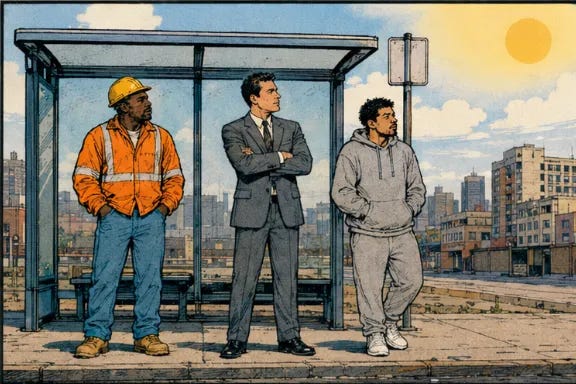
Three men are waiting at a bus stop after work. One works construction, another is a hot-shot suit, and the third is unemployed. They’re all of different ethnic backgrounds and religious beliefs.
Further, they’re men — naturally inclined toward retraction and indifference.
Friends are not likely to be made here. How could community possibly form?
After some time, the agony of waiting for this bus builds. The sun swelters.
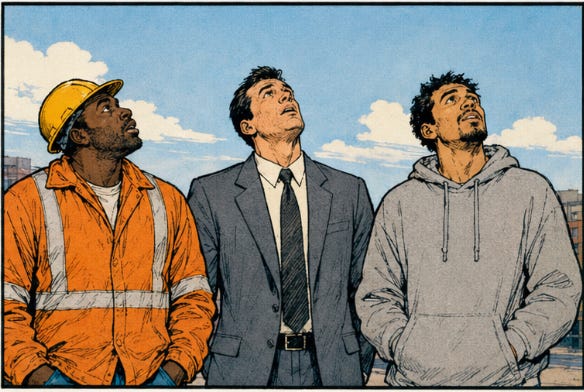
Each of the men suddenly looks up at each other, thinking the same thing. “Where the hell is this bus?” They exclaim in unison.
As they share gripes about the city’s flawed transit system, they learn more about each other.
Hot-Shot typically drives to-and-from the office, but his car has been in the shop for weeks. Plus, he finds the ride to be pleasant. It gives him much needed breathing room away from his young family. “Its nice to be out of control sometimes.”
The men draw closer to each other. Hot shot relaxes his arms and widens his stance.
Construction doesn’t usually mind walking home, but this summer has just been too hot. “Would you believe that? I’ve kicked the cigarette habit just from walking.”
Keeping his silence, Unemployed carefully observes, nodding.
When the bus finally arrives, Hot-Shot graciously allows the two others to enter first.
Sitting in the back of the bus, they face each other in rows.
We discover that Unemployed has been bussing downtown in hopes of securing a job. He once worked construction too, but when his site-manager went down for OSHA violations, he found himself on the streets.
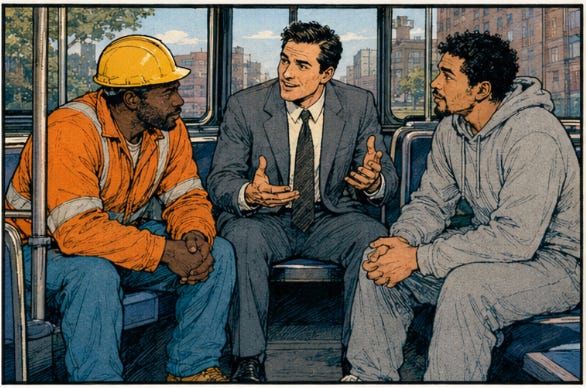
“People feel bad, but they don’t realize that I’m just on my own path. What they don’t know, is that I pity their struggles, too.”
The three men listen intently to each other as several minutes pass, pointing out landmarks throughout the city through the huge windows. Just as Construction finishes his story about the military, and the comical-horrors of boot camp, the bus slides to a halt. The three men make eye contact, smile, and rise up.
“This was a pleasure, gentlemen.” Construction grins. “Likewise. And I’ll be in touch about that project,” says Unemployed.
They shake hands in dismissal. Each of the men is hanging on to something that doesn’t want to let go.
“Same time tomorrow?” Hot-Shot offers with a smile.
“See you at the bus stop,” the others wave.
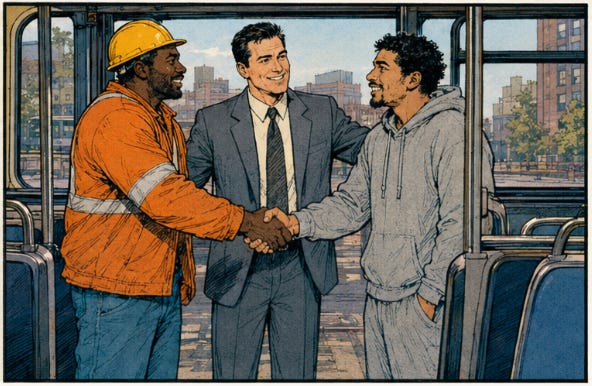
How did these three men, all of different backgrounds, form a community? What was the underlying force of communion based on?
The bus stop. Waiting for the bus. Complaining about the wait time. It placed them in the same arena.
And that’s just how it starts.
Down the line, the bus-stoppers became closer on the basis of their humanity — unemployment, adversity, past experiences — these are common points of the human experience that were able to show through the power of community. Something bigger than one’s self.
There are other ways to form community. And often, community is more than just three people meeting up at a bus stop to commute. But I tell this story to show just how simple it can be to form it.
The way community forms is just as numeric as chemistry — the same way Mentos and Pepsi equal a 💥.
To the writers of the posts in question today, I appreciate the critique of the explosions of community. I’m just hesitant to poke holes in the motives of the leaders, because I think community looks pretty different wherever you go, but holds value just the same.
These leaders aren’t all eager to sell tickets and level-up, I hope. This is a time when only community can save our souls, so let’s give them a chance to strive for that arena of bliss and peace.
Peace to my community, peace to NYC, peace to all the pure and genuine souls all throughout 🙏🏾